
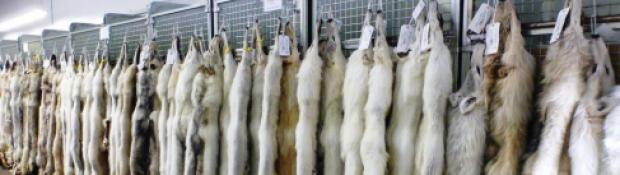

Results from the latest Fur Harvesters Auction show that demand for fur is bouncing back and that the NWT is still regarded as among the best source of high-quality fur in the world.
It is not surprising that the global fur trade has been challenged in the wake of COVID-19. Traditional live auctions in which international buyers can attend to inspect and feel the fur in their hands have been suspended. Instead, auctions have moved online. Like many, they have had to reimagine their business virtually.
The year’s third and latest Fur Harvesters Auction took place online from April 17-20th, and while sales didn’t quite meet pre-pandemic prices, they have improved over the first two, confirming a growing trend in demand for NWT wild fur.
Top performers at this year’s auction
Muskrat
Muskrat was a top performer with 79,909 (98% of total offered) pelts sold at an average of $6.40 CAD with the top lot selling for $11.23. This is good because the average price is above the advance, providing an excellent return for harvesters.
Beaver
Over half (55%) of the 75,374 pelts offered at the auction sold for an average of $17.74 with the top lot selling for $107.50. Lower-grade pelts did not sell but the good news is there is high demand for top-grade beaver pelt.
Arctic Fox
All 343 pelts offered were sold, at an average of $64.13 – over one and a half times higher than the advance despite the pelts being much smaller than other foxes like red, cross and silver.
Cross Fox
All 256 pelts were sold, at an average of $43.53, which is well above the advance to the harvester. caption: Sale Results from April 17-20 auction courtesy of Fur Harvesters Auction Inc.

Sale Results from April 17-20 auction, courtesy of Fur Harvesters Auction Inc.
North Bay, Ontario is part of an historic canoe route travelled by voyagers in the furs trade (including the likes of Samuel de Champlain) up the Ottawa River to Lake Nipissing. To this day, it is home to Fur Harvesters Auction Inc – a key supplier of wild fur to today’s international fur fashion industry.
Fur Harvesters host live sales auctions with buyers attending from over the world.
Wild fur from the Northwest Territories is considered among the very best in the world. As the primary harvester of Canadian Sable, Lynx, Timber Wolf and Wolverine pelts in the world, fur harvesting is an important driver for the NWT’s economy – particularly in smaller remote communities.
The Genuine Mackenzie Valley Fur Program exists to provide NWT harvesters with single-window access to world fur markets. The Genuine Mackenzie Valley Fur brand guarantees buyers a high-quality authentic NWT-harvested wild fur harvested using the most humane trapping techniques in the industry today.
Elements of the GMVF Program like the Guaranteed Advance ensure harvesters are supported even in tumultuous market conditions like those that exist today. Additional GNWT programs include programs to help with startup costs and an incentive to harvesters for providing high-quality fur pelts.
Supporting the NWT’s traditional economy with programs such as the Genuine Mackenzie Valley Fur Program is one way that the GNWT supports its mandate to increase economic diversification in non-extractive sectors that can provide jobs and improve community resiliency.