

January 13, 2021
For the first time in 15 years, the Great Slave Lake Winter Fishery opened for business on Monday, January 11, 2021.
Great Slave Lake Winter Fishery Reopens with New Pilot Program
The Winter Fishery, which is part of the GNWT’s Strategy for Revitalizing the Great Slave Lake Commercial Fishery (2017), expands the fishing industry on Great Slave to year-round, giving fishers double the opportunity to sell their products into southern markets.
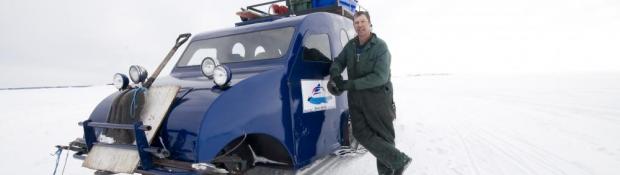
Winter fishing requires much more preparation and different equipment than other seasons and the reopening of this year’s winter fishery is being supported by a new pilot program running over the next two months.
The Department of Industry, Tourism and Investment (ITI) has introduced the program to give new fishers the skills and knowledge to have successful winter harvests. The training provides information on where to find the different kinds of fish, how to set up a site and how to safely net and transport the fish.
It also includes assisting with equipment like augurs, needle bars and specific netting; all specialized for winter fishing.
The pilot program, which will be evaluated following this year's winter fishing season, has also enabled the Tu’Cho’ Co-operative to reopen and operate the Hay River fish plant, which closed for the summer season on October 10th, 2020.
In addition to the GSL Winter Fishery pilot program, the Government of the Northwest Territories (GNWT) is partnering with Indigenous Governments to train community members to participate in the Winter Fishery. This provides a further investment to solidify and build capacity for a thriving year round fishery into the future.
Fort Providence Hosts Winter Fishery Training Course
ITI’s work and investments to revitalize the Great Slave Lake Fishing sector; and to restore its contributions to the NWT economy are also serving to meet the GNWT’s mandate commitments to: Increase economic diversification by supporting growth in non-extractive sectors; Increase food security through locally produced, harvested, and affordable food; and Increase employment in small communities.